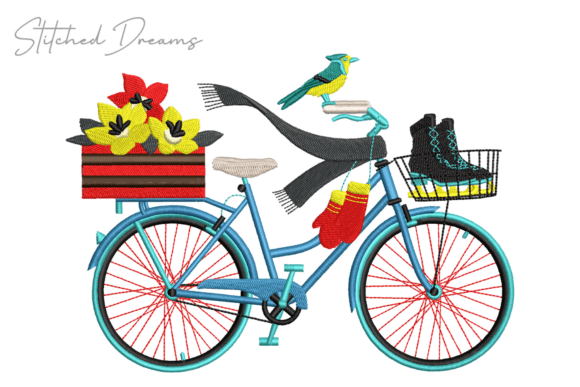
Bike Carrying Flowers Embroidery
First Impression: Rustic Charm Meets Quiet Joy
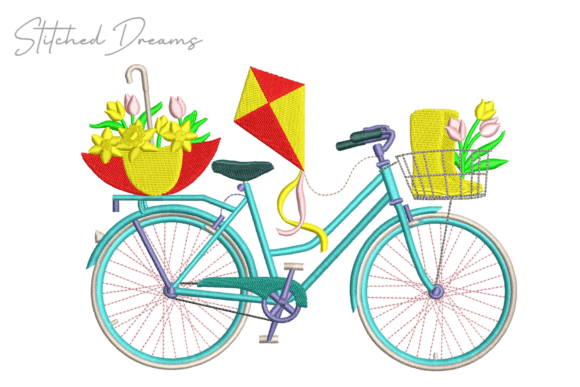
At first glance, Bike Carrying Flowers Embroidery lands with gentle confidence—not loud, not trendy, but warmly evocative. It’s the kind of machine embroidery design that whispers “slow living” and “handmade care” before a single stitch is sewn. The vintage bicycle + overflowing floral basket motif reads as rustic, slightly nostalgic, and quietly elegant—never cutesy or overly literal. That’s critical for craft fair buyers who scroll past dozens of floral or bike-themed designs daily. This one stands apart because it balances narrative (a peaceful countryside ride) with visual breathing room. It doesn’t shout—it invites.
Where It Shines on Craft Fair Products
This embroidery file excels where handmade charm meets everyday utility:
- Tote bag design: Perfect as a centered chest or side-panel motif. On natural canvas or oat linen, the vintage bike reads clearly at 4–5 inches wide—large enough to catch eyes across a crowded aisle, small enough to leave space for hand-stamped tags or woven labels.
- Apron embroidery: Ideal above the pocket or along the waistband. The vertical flow of the bike and stems complements apron lines naturally. Avoid placing too low near hems where stitching may distort during wear.
- Tea towel embroidery: A standout on flour-sack cotton. The blooms add soft contrast against crisp white or sage-dyed towels—ideal for kitchen-focused booths or farmhouse-style gift bundles.
- Embroidered patch: Highly viable as a 3-inch iron-on or sew-on accent. Customers love attaching these to denim jackets, market bags, or backpacks—making Bike Carrying Flowers Embroidery a repeat-purchase item.
- Pillow cover & fabric pouch: Works beautifully scaled down to 2.5–3 inches. The composition holds clarity without overcrowding—unlike dense florals that blur on curved surfaces.
What Holds It Back (And How to Fix It)
While charming, this design has real-world limits. The basket’s floral overflow suggests moderate stitch density—not extreme fill work, but enough detail to risk shadowing on thick fabrics like heavy duck cloth or textured tea towels. Tiny stem tips and thin wheel spokes may vanish on dark fabric unless thread colors are carefully chosen (e.g., ecru on navy, not white on charcoal). Also, avoid shrinking it below 2 inches: the bike frame loses definition, and blooms start to merge.
On curved cap surfaces? Proceed with caution. The horizontal orientation makes it less ideal for front-panels unless rotated or simplified. Save it for flat, stable substrates—especially for first-time production runs.
Photography & Online Appeal for Etsy Sellers
This is a strong performer for digital listings. The clear subject (bike + flowers), soft color potential, and pastoral mood translate well into printable mockups—especially lifestyle shots with mason jars, fresh-cut herbs, or woven baskets nearby. It photographs cleanly on light backgrounds, supports cohesive brand palettes (think sage, cream, terracotta), and feels premium without looking expensive. For an Etsy seller or small shop product, it signals intentionality—not just another floral filler.
Booth Impact & Customer Engagement
In person, Bike Carrying Flowers Embroidery draws quiet attention—not the flashiest piece on your table, but often the one customers pause longest to touch. Its storytelling quality sparks conversation (“Is that your bike?” “Where’s the garden?”), which builds connection far more than abstract patterns. Paired with handwritten price tags and dried lavender sprigs in your display, it reinforces authenticity—a key driver for handmade product buyers at local markets.
It also strengthens booth cohesion. Use it across three product types (e.g., tea towel, patch, and pouch) in matching thread tones, and your table reads as curated—not scattered. That consistency lifts perceived value and encourages bundle sales.
Production Notes Every Embroidery Designer Should Check
Before cutting fabric or loading hoops, run these checks:
- Test on scrap fabric—especially your intended base (e.g., unbleached cotton for tea towels, twill for tote bags).
- Verify thread contrast on both light and dark versions. If your file includes suggested thread colors, cross-check them against actual spools.
- Review spacing between bike frame and flower stems—tight gaps can cause skipped stitches or thread breaks on older machines.
- Confirm hoop size and whether the design fits comfortably within your standard setup. No need to stretch or rehoop mid-run.
- Inspect stitch density in the basket area. If fill stitches look heavy, consider reducing density by 5–8% for breathable fabrics.
- Choose stabilizer wisely: lightweight cutaway for stable wovens; tear-away for tea towels; no-show mesh for sheer or delicate linens.
- Create at least one real mockup—not just a digital preview. See how the texture interacts with your chosen fabric.
- Compare fabric colors side-by-side under natural light. A pale yellow thread may glow on ivory but disappear on oat.
- Confirm commercial licensing before selling finished products. Since this is a digital embroidery file, ensure your license permits resale of embroidered goods—not just personal use.
A Final Thought for Creative Entrepreneurs
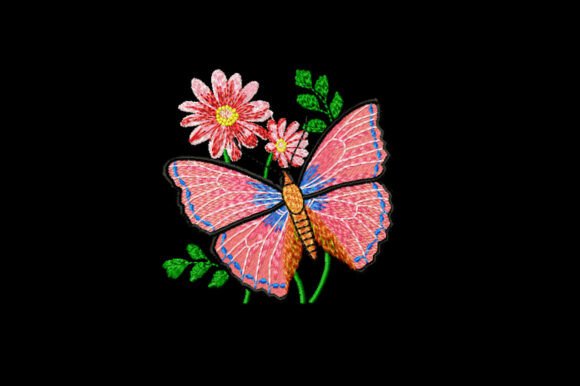
Bike Carrying Flowers Embroidery isn’t a viral sensation—but it’s the kind of steady, soul-aligned design that builds loyal customers over time. It fits seamlessly into collections for cottagecore boutiques, garden-center pop-ups, or slow-living subscription boxes. It pairs well with other nature-adjacent motifs (butterflies, watering cans, wildflower borders), yet holds its own as a signature piece. And while it lives in the Dessert Sweets category (perhaps due to its whimsical sweetness), its true home is in thoughtful, tactile handmade product—where charm is earned, not applied.
For craft fair sellers and embroidery business owners: this is a reliable, mood-driven asset—not a trend-chaser, but a trust-builder. Sew it with care, display it with intention, and let the quiet joy of that countryside ride do the rest.